NEA ONNIM

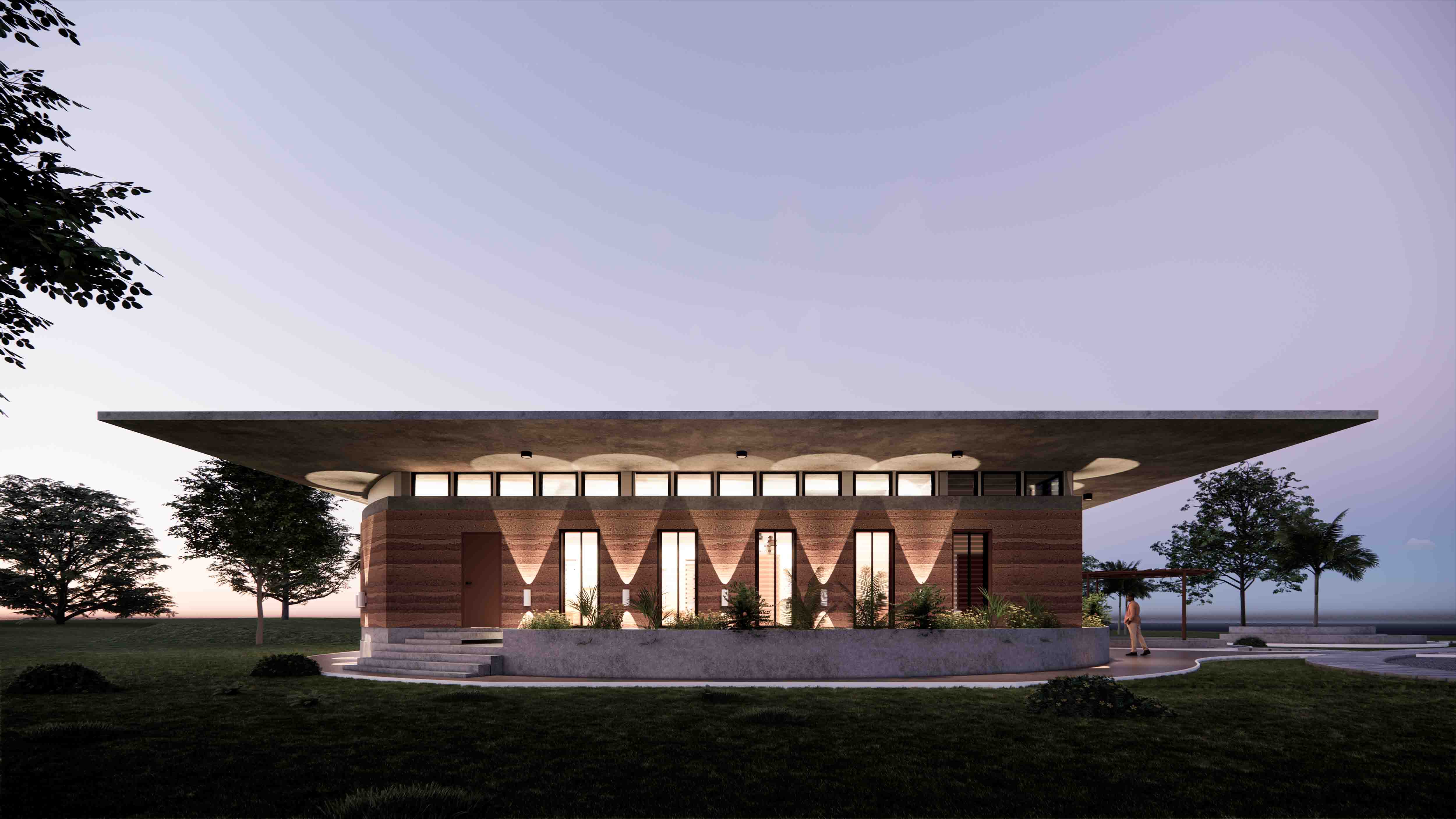
“NEA ONNIM” is a sponsored Library cum Media Center for a Community School in Assin Nkran in the Central Region of Ghana . This project, led by BLIBLIONEF Ghana in association with MEDIA-MUNDIAL and the local community aims to provide a sustainable learning infrastructure for young students in the Assin-Nkran District and beyond.
The name “NEA ONNIM” as affectionately christened by the PREDIOS Group is Inspired from the Akan proverb, “Nea onnim no sua a ohu,” which translates and literally means "He who does not know can know from learning." This library cum media center is simply set out for that, a place of knowledge, life-long education and the continued quest for knowledge.
THE ARCHITECTURAL DESIGN






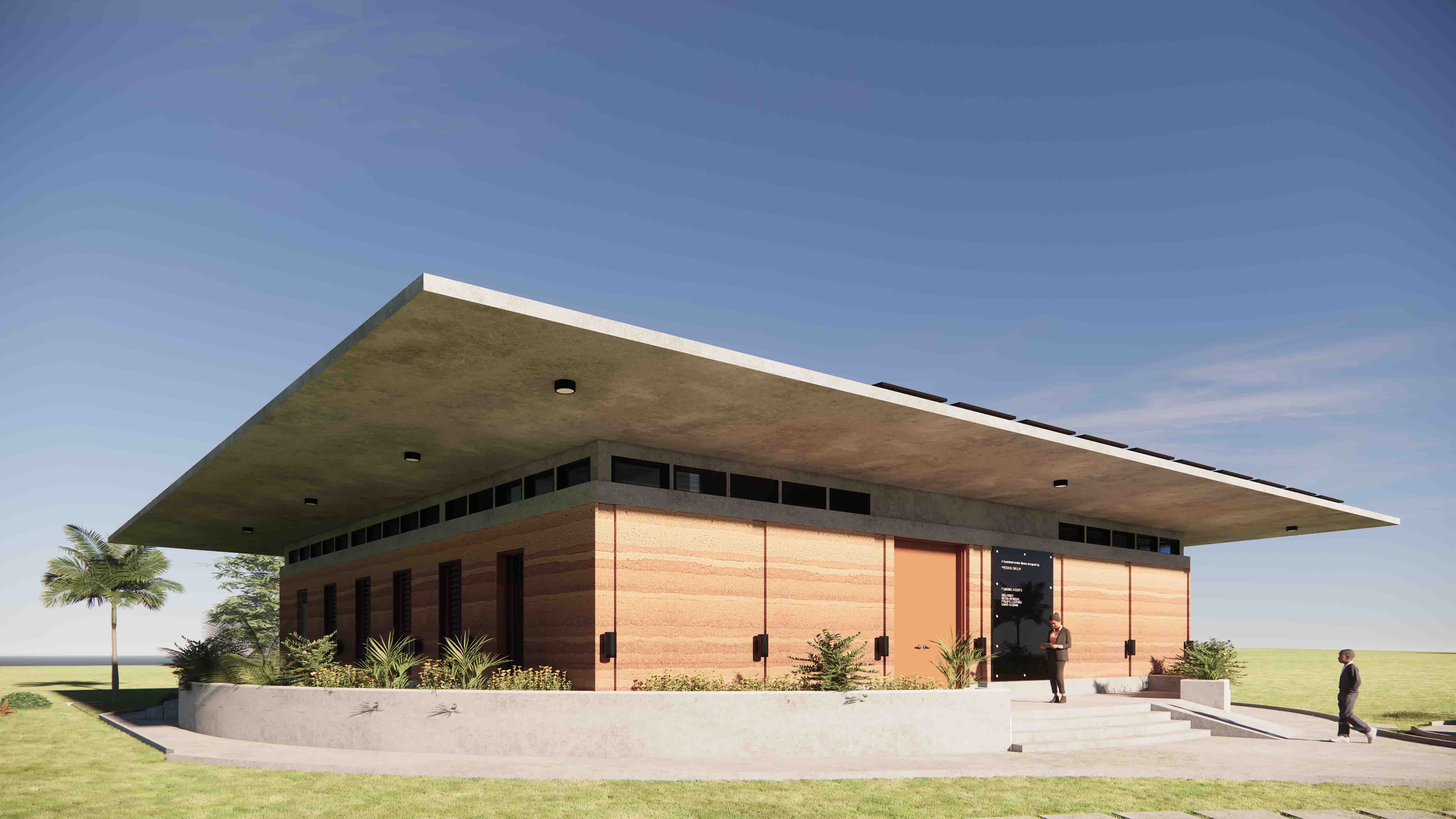
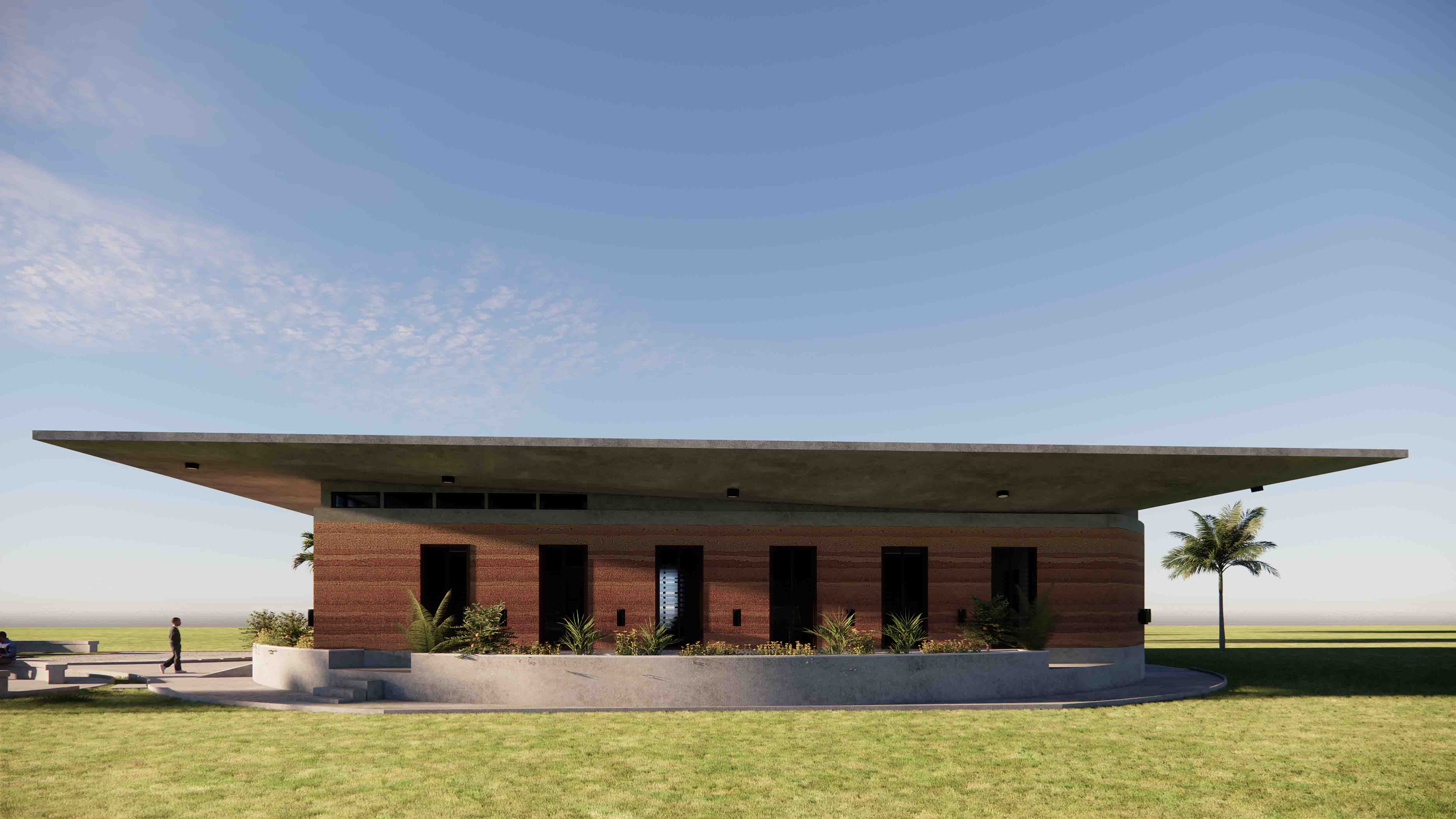
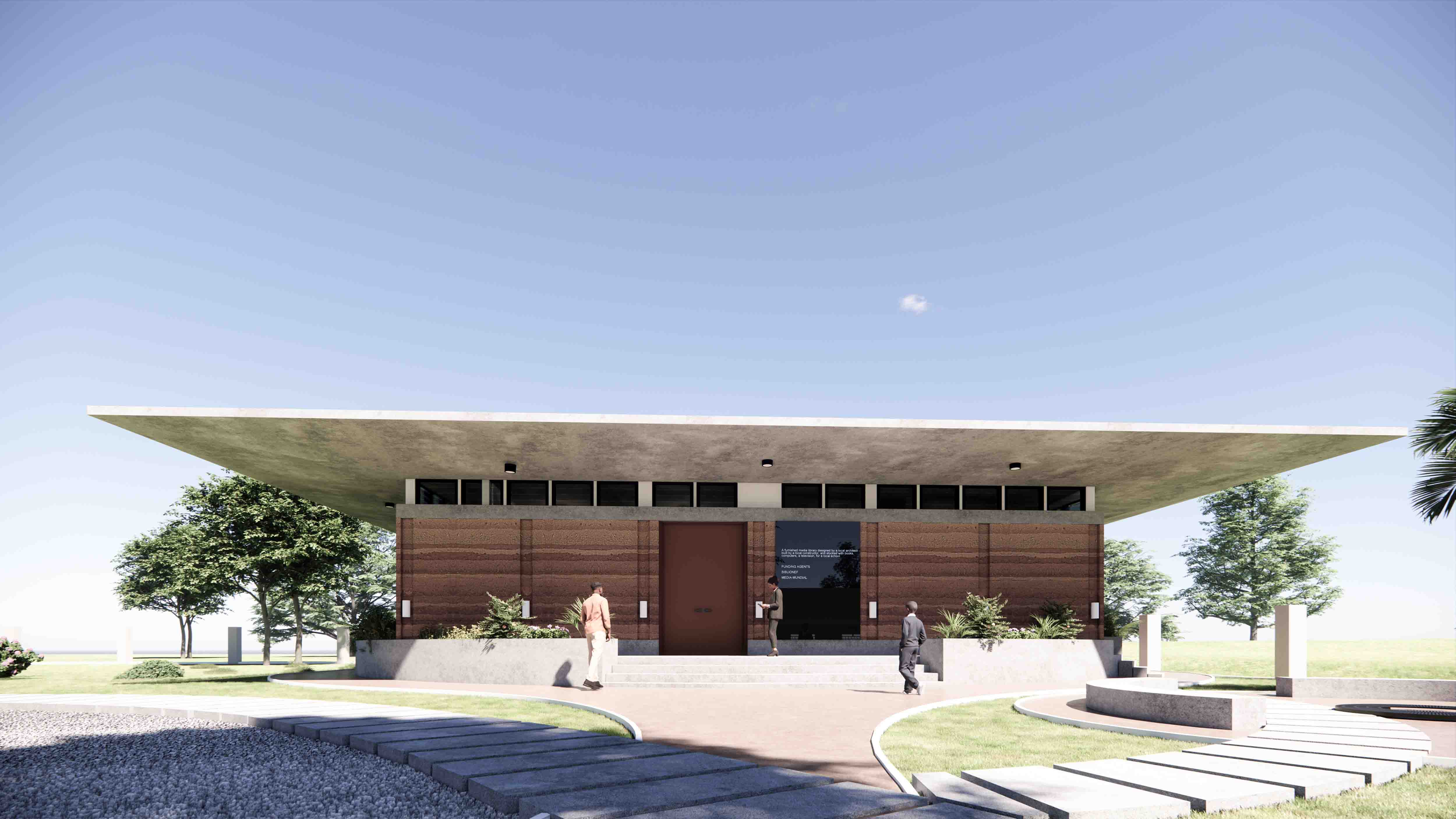
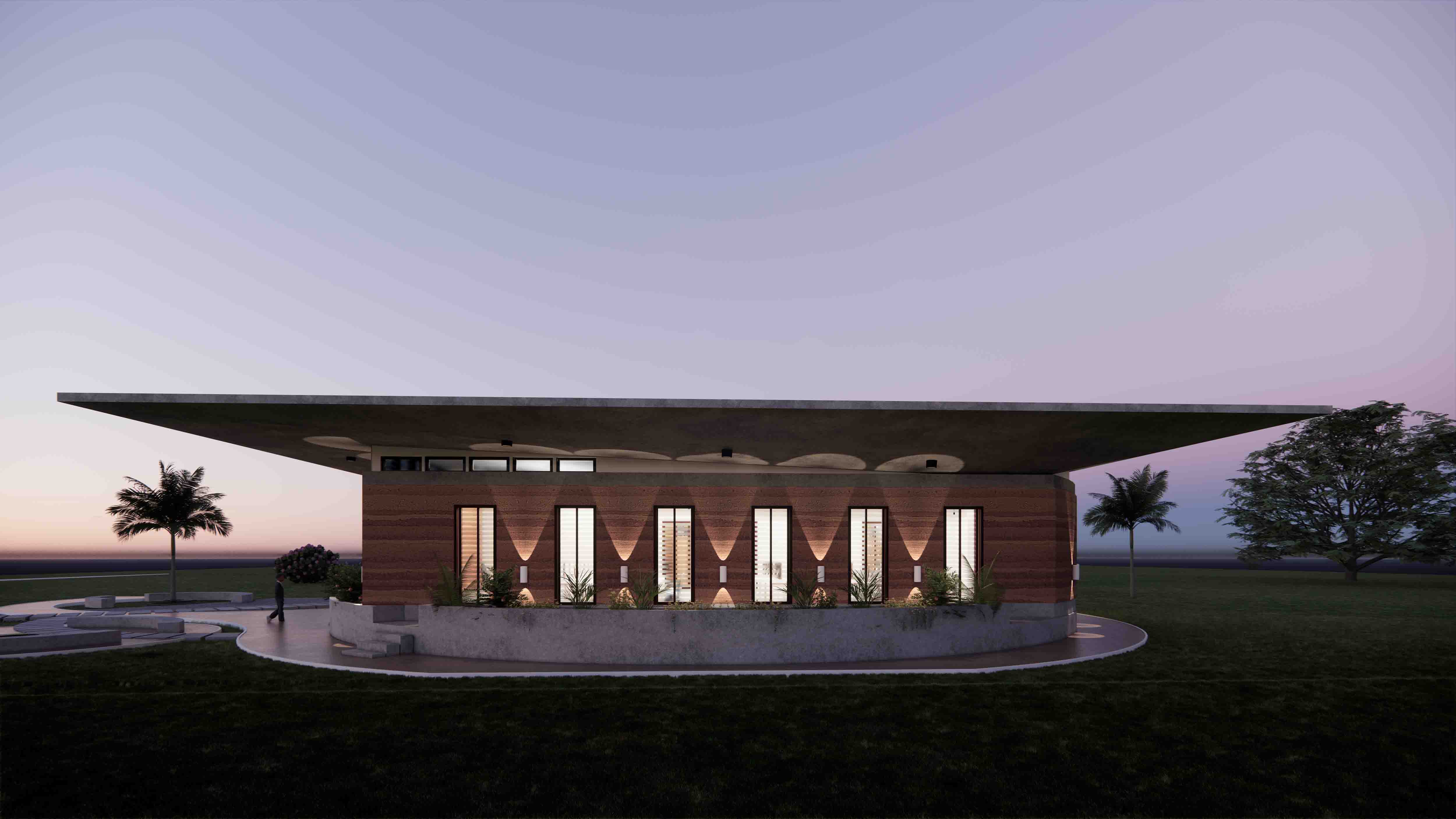
Designed with a strong emphasis on sustainability and the utilization of local resources and materials, this media center incorporates a series of green building techniques including the use of rammed earth construction methods, the harnessing of solar energy through rooftop solar panels, the maximization of natural lighting with skylights, and the harvesting of rainwater for reuse and optimization.
Cultural Identity
Inspired by the rich local heritage and indigenous building traditions, the media center is designed to using rammed earth; a technique that utilizes the region's abundant soil and layers of different natural aggregates offering several benefits and references to an old tradition of building with mud. The use of rammed earth pays homage to the local architectural heritage, connecting the community to its roots and fostering a sense of pride in their cultural identity.
Environmental Sustainability: By using locally sourced materials, the carbon footprint associated with transportation is significantly reduced and the use of energy-intensive materials like cement is minimized.
Climate Adaptation: The thermal mass properties of thick rammed earth will help regulate indoor temperatures, ensuring a comfortable learning environment for students throughout the year. The material's insulating properties engage some measure of passive cooling, reducing the need for artificial cooling systems; thus, saving energy and lowering operational costs.
Skylights:
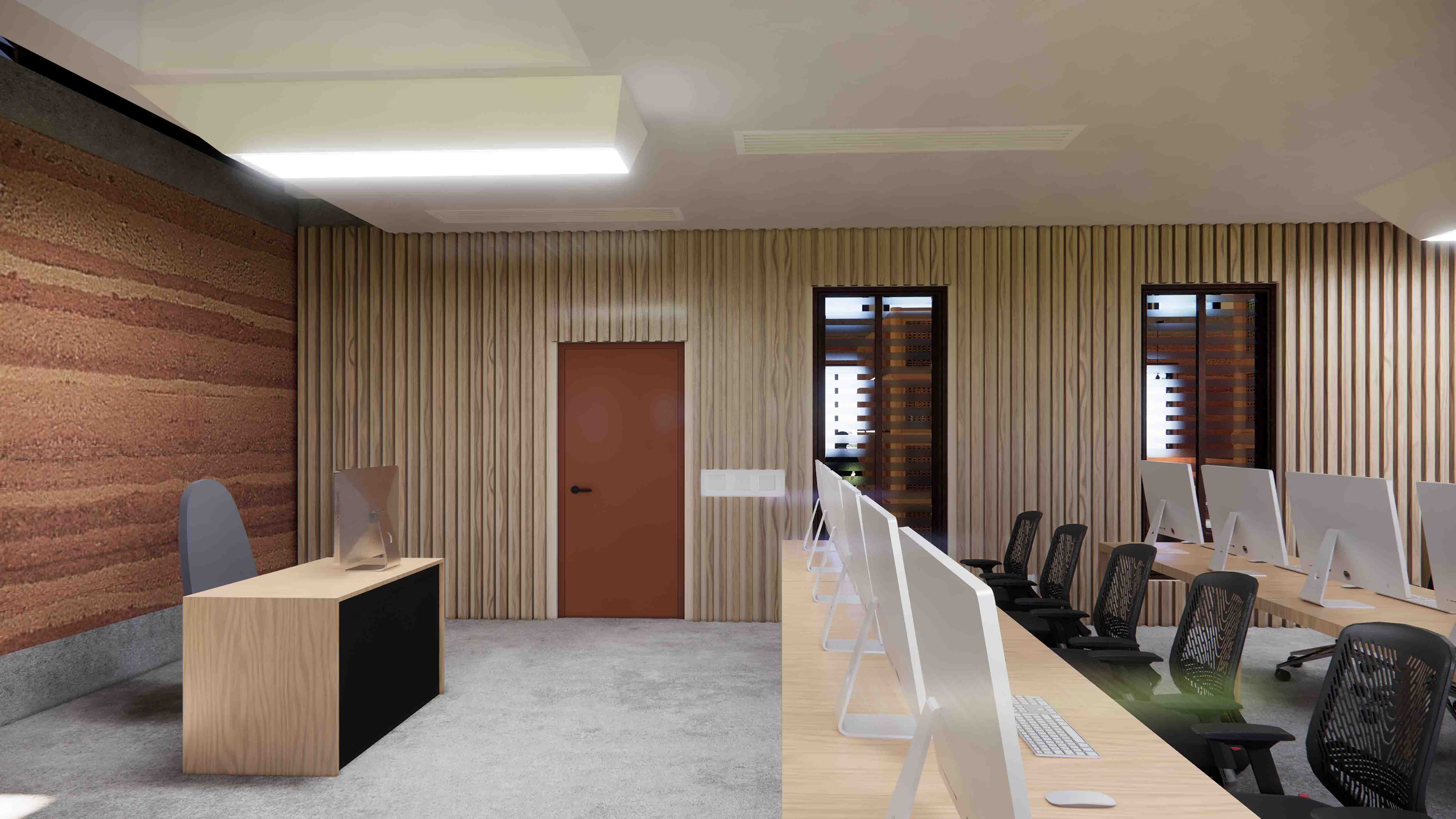
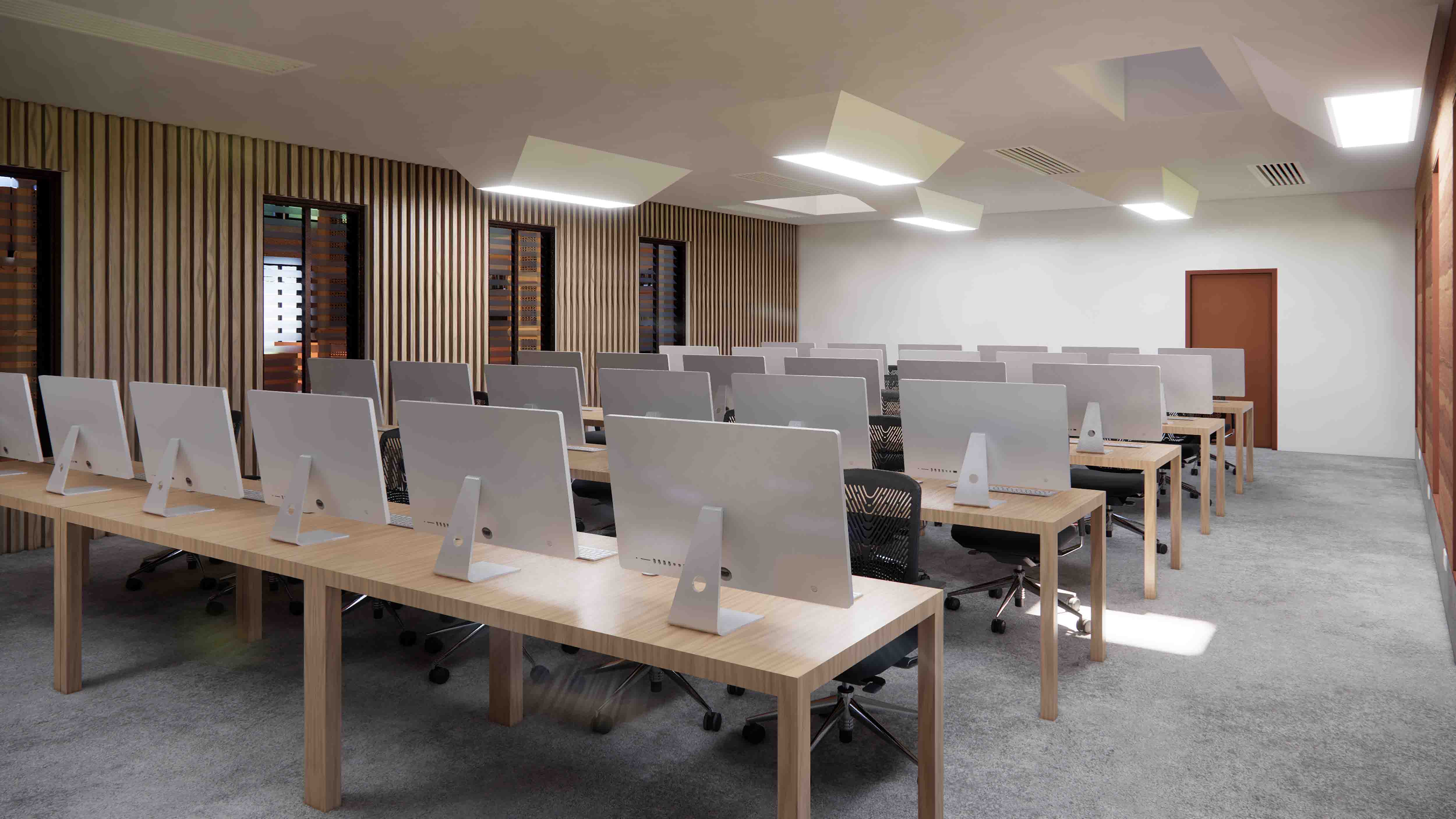
Thoughtfully placed skylights are incorporated into the concrete roof design at intervals to maximize the benefits of natural daylight. This design choice brings several advantages and these include the following;
Enhanced Learning Environment naturally allowing an abundance of natural light to flood the internal spaces at strategic locations, creating a vibrant and stimulating learning environment. It is well known through studies that natural light improves concentration, cognitive function, and overall well-being among students.
ENERGY EFFICIENCY:
By utilizing natural light during the day, the media center reduces its reliance on artificial lighting, resulting in energy savings and reduced electricity consumption. This aligns with the center's sustainable design principles and helps to lower operational costs.
SOLAR PANELS:
The media center's roof is adorned with an array of solar panels, harnessing the abundant sunlight in Assin-Nkran. The integration of solar panels to convert sunlight into electricity, providing a sustainable and reliable source of power for most of the media center's electrical needs and to significantly reduce energy costs, enabling more funds to be allocated to educational resources and programs.
With Self-sustainability being an aim this Self-generating power systems will ensure reduced vulnerability to power cuts and other unprecedented electricity problems.
RAINWATER HARVESTING:
Recognizing the importance of water conservation, the media center incorporates a rainwater harvesting system to collect and utilize the abundant rainfall of the region.
The Rainwater is collected from the roof and stored for various non-potable uses such as irrigation, toilet flushing, and cleaning. This will reduce the demand for freshwater resources and promotes responsible water usage within the media center making it more self-sufficient and prepared for potential challenges.
Finally, the PREDIOS Group anticipates that the rainwater harvesting system provided will serve as a practical point for education on sustainability and water recycling to young students, making them more aware of the global need for resource conservation and sustainability.
Client: Biblionef Ghana
Location: Assin Nkran , Central Region , Ghana
Project Status : Ongoing
PREDIOS Group Design Team
Design lead: Kofi Essel-Appiah,
Project Architects: Jean-Marc Montcho Toyeme |
Stephen Melormey
Structural Engineers:
Location: Assin Nkran, Ghana
Built area XXX sq.m
`